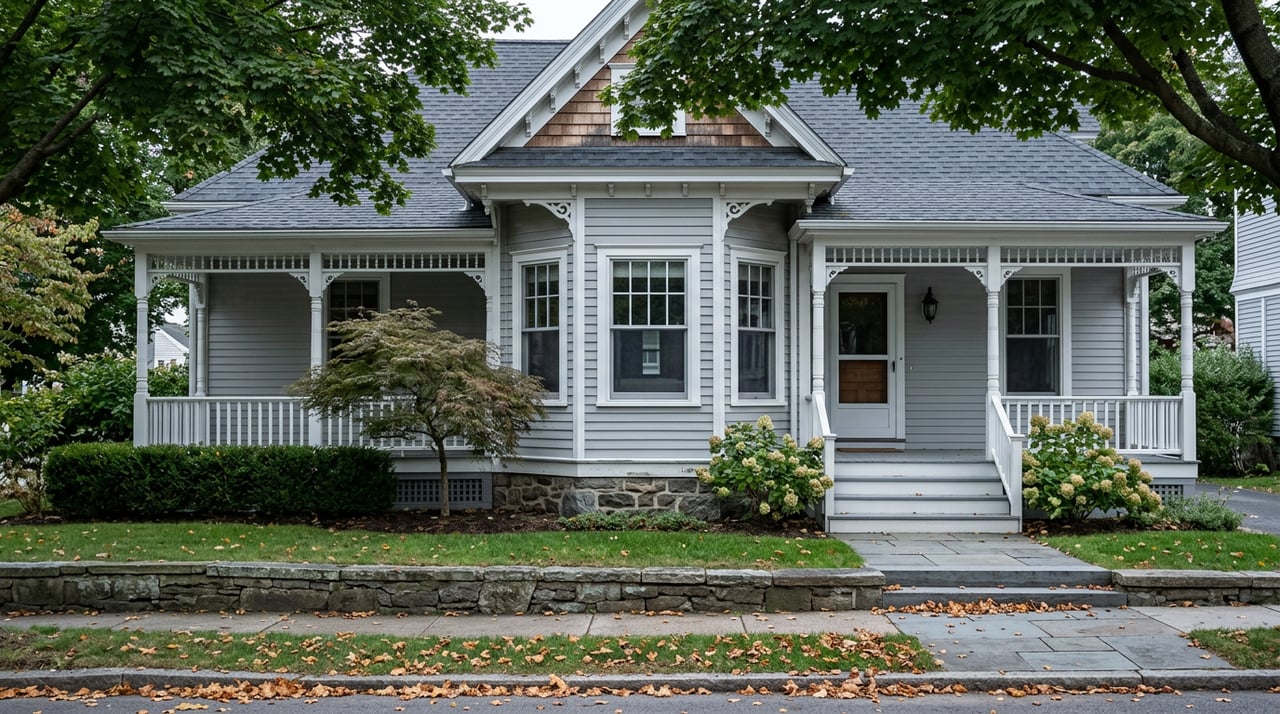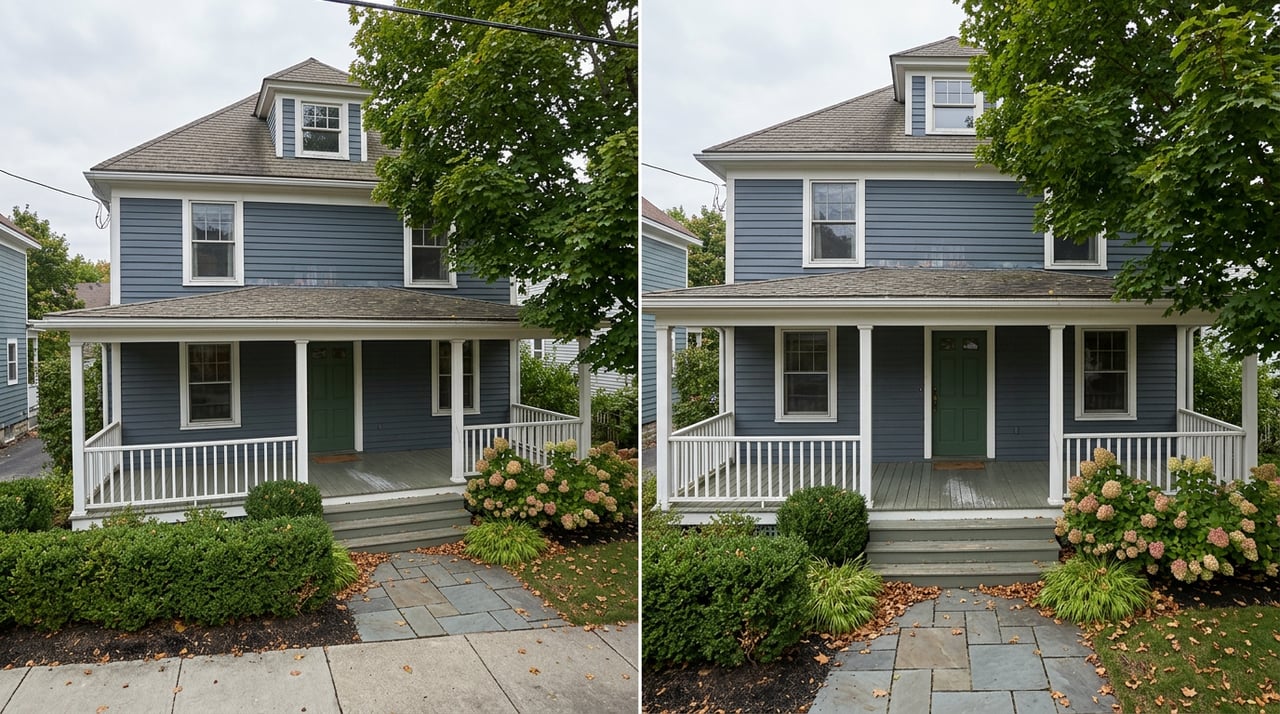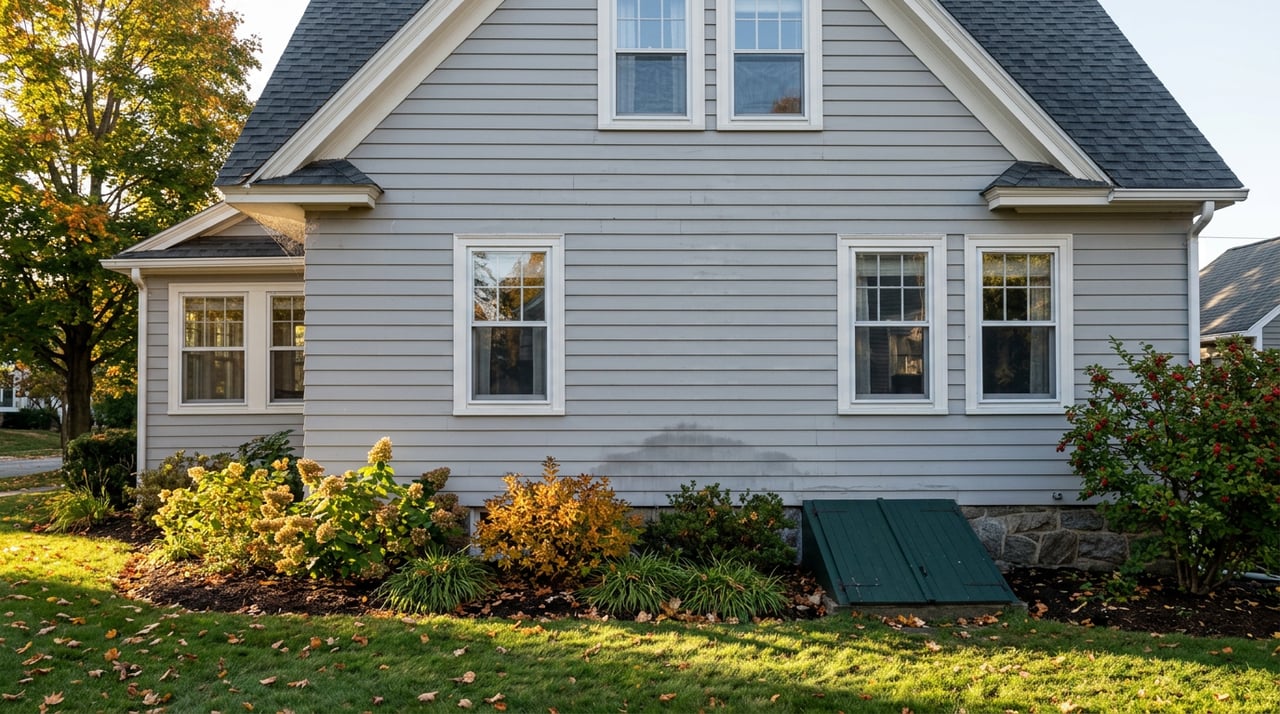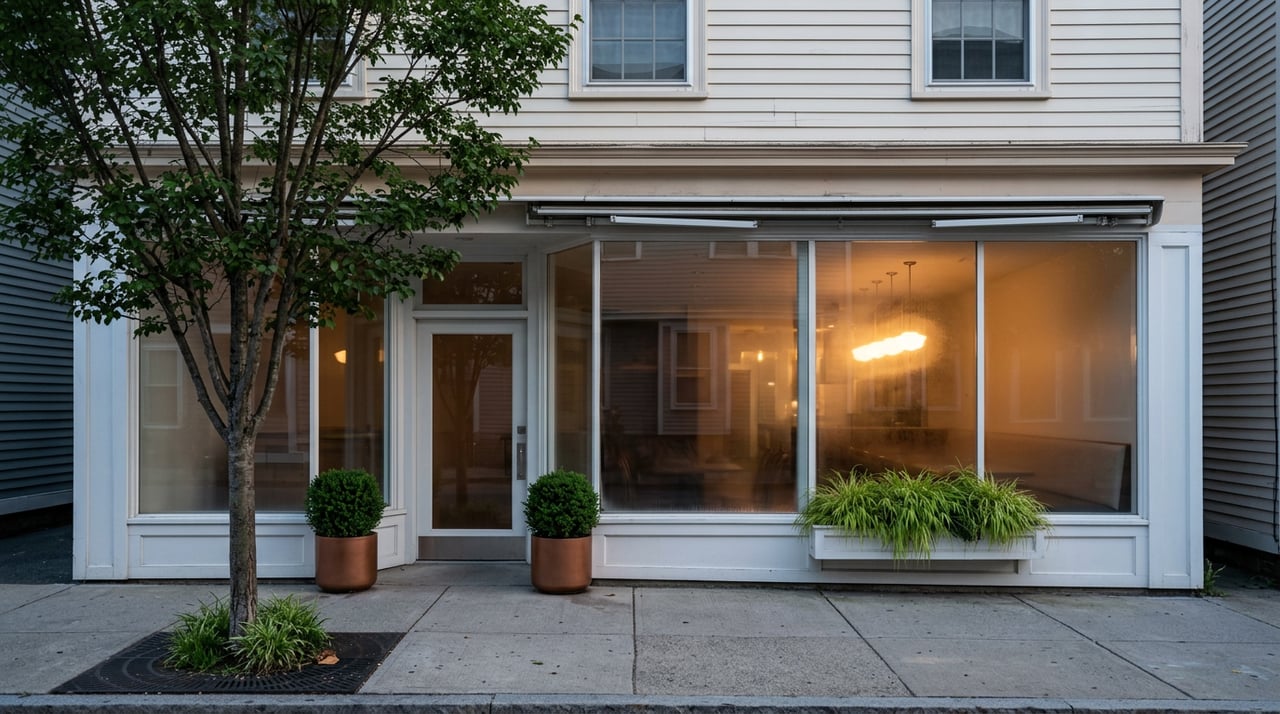
Search for the Jamaica Plain median home price this month and you'll get answers ranging from roughly $720,000 to nearly $850,000, depending on which report you land on. Same neighborhood, same summer, wildly different numbers. That's not sloppy data. It's what happens when several different real estate markets get filed under one zip code and reported as if they were a single thing.
If you're comparing Jamaica Plain to another Boston neighborhood, or trying to figure out what your budget actually buys within JP itself, the median is the least useful number on the page. What matters is a walk you can time with your phone, a housing type that's currently behaving nothing like the one next to it, and a border a few blocks wide where the math resets entirely.
The Premium You're Paying Without Knowing It
Jamaica Plain's defining feature is the Orange Line, with stops at Stony Brook, Green Street, and Forest Hills running straight through the neighborhood. That access isn't a nice-to-have that shows up as a vague bump in a listing description. It's a specific, measurable line item. Properties within about a seven-minute walk of Stony Brook or Green Street carry a 10 to 15 percent price premium over comparable homes further out, according to current market analysis of the JP submarket.
Run that math against a $750,000 condo and you're looking at $75,000 to $112,000 tied to nothing but distance from a train platform. No renovation, no square footage, no updated kitchen accounts for that gap. It's proximity, priced.
That premium cuts both ways. If you can live with a slightly longer walk, or you're willing to rely on the 39 bus route into Longwood instead of walking to a station, you're not just saving money. You're opting out of a tax that every T-adjacent buyer around you is paying whether they've noticed it or not.
A seven-minute walk to the T is currently worth more to a JP buyer's monthly payment than most kitchen renovations.
Where the Map Bends
The transit premium isn't the only place JP's pricing shifts underfoot. The neighborhood's southern edge, where lower Washington Street runs toward the Roslindale line, is where the math changes again. Buyers who find themselves priced out of a transit-adjacent unit often discover that crossing that border gets them an additional bedroom for what they'd otherwise pay for a smaller unit closer to the Orange Line. Same budget, more square footage, just a different side of an informal line that has nothing to do with school boundaries or zoning and everything to do with how buyers have priced two neighborhoods that blend into each other on foot.
There's a similar story unfolding around Egleston Square and Forest Hills. Both areas sit right on the Orange Line, so the transit access is real, not a consolation prize. But they haven't been priced the way Pondside or Central JP have. Current market read describes them as the neighborhood's active value plays, the places absorbing buyers who've been outbid near Jamaica Pond but still want the commute. If you've been told Jamaica Plain is out of reach, the honest answer is that certain blocks of it are out of reach. Others are where the actual competition is happening right now.
Two Markets Wearing One Median
Here's the part that would make a Tim Harford reader lean in. Ask whether the JP market is heating up or cooling down in 2026, and the correct answer is both, depending on what you're buying.
Two separate market reports, taken about two months apart this year, tell the same story from different angles. Through late April 2026, condo listings in JP climbed to 63 active units, up from 49 a year earlier, while single-family listings fell to just 7, down from 11. Despite more condo inventory, days on market for condos dropped sharply, from 45 days a year prior to 25 days. More to choose from, but the good ones aren't sitting. Average condo sale price over that same window rose 4.6 percent year over year, and for the first time in more than a year, the average condo sold above its list price.
By June 2026, a second report covering closed sales confirmed the same pattern from a different data cut: condos averaged $803,000 across 95 closed sales year to date, up from $772,000 the year before, while single-family homes averaged $1.46 million across just 19 closed sales, down slightly from $1.49 million. Condos were selling at 2.9 months of supply and 101.4 percent of list price. Single-family homes were moving even faster, at 2.1 months of supply, but with a sample so thin that one or two unusual sales can swing the average by tens of thousands of dollars.
That thinness matters. The top single-family sale of the first quarter was 11 Robinwood Avenue, a 5-bedroom, 3.5-bath home tucked between the Arboretum and Pondside that closed at $2,385,000. A number like that, sitting in a pool of fewer than 20 closed sales, pulls the average around in a way it simply can't in a 95-sale condo market. Meanwhile the multi-family side told its own story. A 6-bedroom triple-decker at 36 Alveston Street sold at $1,835,950, and 47 Prince Street closed close behind at $1.8 million, part of what one report described as a doubling in multi-family pending sales year to date, as both small investors and owner-occupants who've done the long-term math absorb JP's triple-decker stock.
So when someone tells you the Jamaica Plain market is softening, or heating up, ask which property type they mean. The condo market and the single-family market are not describing the same neighborhood right now. They're describing two neighborhoods that happen to share a mail carrier.
What This Actually Means If You're Choosing
If you're comparing Jamaica Plain against another close-in Boston neighborhood, don't anchor to a single median figure pulled from one site. Anchor to the property type you're actually buying and the walk time you're actually willing to make. A condo buyer targeting Stony Brook or Green Street is competing in a fast, competitive, well-supplied market. A single-family buyer is competing in a market so thin that patience and preparation matter more than pricing strategy, because there's often nothing directly comparable sitting nearby to benchmark against.
If the transit premium puts your target block out of reach, lower Washington Street toward Roslindale and the Egleston Square and Forest Hills corridor are where the real trade-offs live, not as compromises but as a different set of trade-offs entirely, with T access intact and price tags that haven't caught up yet.
And if you're the one selling into this market, especially a converted multi-family unit, get your condo association's paperwork in order before you list. Lenders are running more rigorous condo reviews in 2026, and a disorganized or underfunded association can stall a deal that would otherwise close fast in this condo climate.
A Few Straight Answers
Does the transit premium apply to triple-deckers, or just condos? The premium is documented for properties near Stony Brook and Green Street generally, and triple-deckers cluster heavily around those same stops, so the pattern holds. But multi-family pricing is driven as much by rental math and renovation condition as by walk time, which is why triple-decker sales in 2026 have varied by hundreds of thousands of dollars depending on unit count and condition.
Is Egleston Square technically Jamaica Plain? Egleston Square sits along the Jamaica Plain and Roxbury line and is treated as part of JP's active market by agents and buyers working the neighborhood, with the same Orange Line access as points further north.
Why would a single-family average drop while condo averages rise in the same neighborhood? Because the two markets aren't the same size. With fewer than 20 single-family closings in a given reporting window, one exceptional sale or one unusually modest one swings the whole average. Condo averages, built on 95 or more closings, absorb outliers far better.
If you're trying to figure out where your specific budget actually lands on this map, walk time, property type, and all, that's exactly the kind of block-by-block read Juan Real Estate Group does for buyers and sellers across Jamaica Plain every week. Let's connect and book a free valuation or consultation.