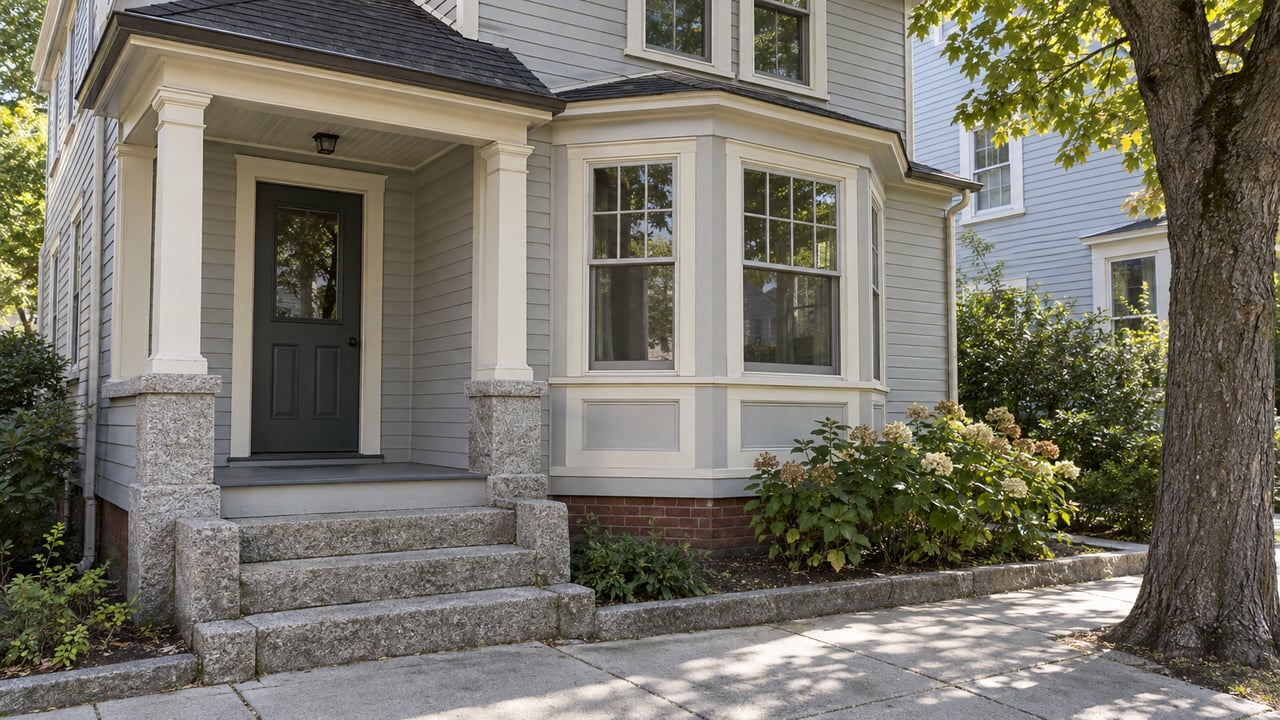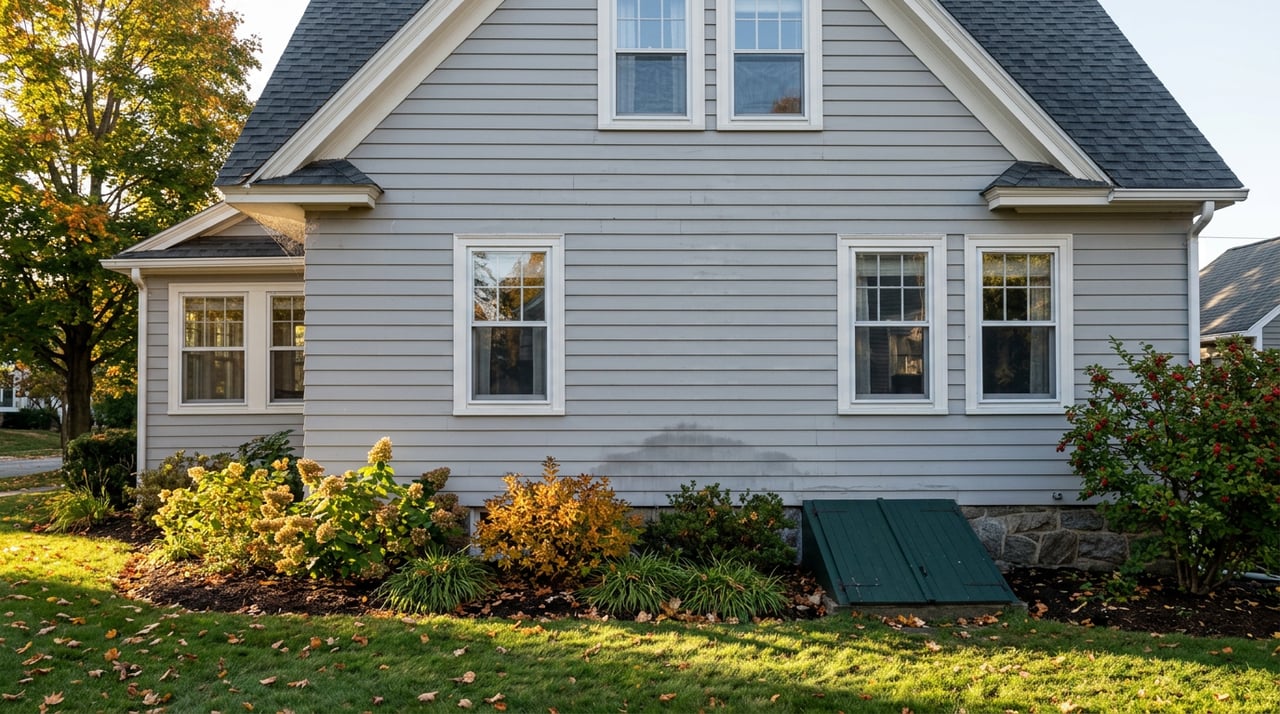
A year ago, a seller on a quiet street off Fairmount Avenue could list a single-family home, field three or four offers inside a couple of weeks, and accept one where the buyer agreed to waive the home inspection to win the bid. If there happened to be an old oil tank buried in the side yard, nobody had to look at it. The deal closed, the tank stayed exactly where it was, and the question of what was underneath it moved down the road with the next owner.
As of October 15, 2025, Massachusetts sellers and listing agents can no longer make waiving a buyer's inspection contingency a condition of accepting an offer. The regulation, 760 CMR 74, arrived as part of the Affordable Homes Act, and it lands with unusual force on Hyde Park specifically, because so much of the neighborhood's housing stock was built during the decades when oil heat was the default choice for New England homeowners. This piece is about what changes when sellers can no longer require an inspection waiver, and what it costs to deal with what the inspector finds.
What the Old Playbook Left Unchecked
Hyde Park has run as a competitive market through 2026. Redfin's neighborhood data has shown homes going under agreement in roughly three to five weeks depending on the month, with multiple offers common and some of those offers waiving contingencies to stand out. That competitive pressure is exactly why the old workaround mattered here. A waived inspection contingency didn't just speed up the timeline. It meant nobody with professional training was required to look at the tank, the wiring, or the foundation before the deed changed hands.
Here's the practical difference the new rule makes:
| Before October 15, 2025 | Since October 15, 2025 | |
|---|---|---|
| Can a seller require an inspection waiver to accept an offer? | Yes, informally common in bidding wars | No, prohibited under 760 CMR 74 |
| Does an oil tank get identified before closing? | Only if the buyer chose to inspect anyway | Only if the buyer chooses to inspect |
| Who discovers tank issues first? | Often nobody, until a future sale or a leak | The buyer's inspector, if the buyer chooses to inspect |
That shift doesn't make Hyde Park's tanks any older or any more likely to be leaking than they were last year. It makes it far less likely that a tank issue slides through undiscovered.
Why Hyde Park Carries More of This Than Most Boston Neighborhoods
Hyde Park's real estate mix is dominated by small two, three, and four-unit buildings alongside single-family homes, many dating to the early twentieth century or the postwar decades that followed. Corridors like Hyde Park Avenue, River Street, and Fairmount Avenue anchor a neighborhood where housing was built at scale during exactly the period when heating oil delivered by truck was the standard residential fuel across Greater Boston. That building pattern is why underground and basement oil tanks are still common enough here to be a routine inspection finding rather than a rare surprise.
Pricing inside Hyde Park also varies by pocket in a way that tracks housing age. Subareas closer to River Street and West Street have priced meaningfully below the neighborhood's stronger corridors, and older housing tends to concentrate in exactly those value-priced pockets. A buyer chasing the lower end of Hyde Park's price range is statistically more likely to be looking at a home old enough to have started life on oil heat, whether or not the current system still runs on it.
Oil Tanks and Massachusetts Disclosure Law
Massachusetts sellers are sometimes surprised to learn how little the law actually requires them to say. According to [DocJacket's state disclosure requirements](https://www.docjacket.com/resources/state-real-estate-disclosure-requirements), the Commonwealth has no general property disclosure form. Sellers are legally required to disclose exactly two things: known lead paint in homes built before 1978, through the Property Transfer Lead Paint Notification, and the condition of a septic system if the home isn't on public sewer. That's the entire mandatory list.
Compare that to states like Maryland, New Jersey, and Maine, where environmental disclosure requirements explicitly name underground storage tanks alongside radon and lead paint. That disclosure list does not include oil tanks. A Hyde Park seller can walk into a listing appointment having genuinely never been told they need to say anything about a tank on the property, because oil tanks are not included in that disclosure list. The gap isn't dishonesty. It's a gap in the disclosure requirements; a buyer's inspection may identify the tank even when the seller was never obligated to bring it up first.
What a Tank Actually Costs to Deal With
Once an inspector flags a tank, the numbers get concrete fast. Removing an underground oil tank in Massachusetts typically runs somewhere between $800 and $3,500, depending on tank size, accessibility, and whether the soil around it needs testing. That range assumes a clean removal. Roughly 30 to 40 percent of underground residential oil tanks in Massachusetts show some level of soil contamination once they're pulled, and when that happens, the Massachusetts Department of Environmental Protection's tiered response system takes over, with a Licensed Site Professional assigning a release category and overseeing whatever remediation the soil requires. A contaminated site can turn an $800 job into a five-figure one.
Insurance rarely bails a seller out here. According to [the Massachusetts Department of Environmental Protection](https://www.mass.gov/guides/site-cleanup-for-homeowners), since 2010, Massachusetts law has required insurers to offer coverage for oil heating system leaks, but only for homeowners who've installed specific leak-prevention equipment, either an oil safety valve or a protective supply-line sleeve. Most standard homeowner policies exclude tank contamination by default, and the equipment requirement means plenty of older policies simply don't qualify. According to [Tank Removers](https://tankremovers.com/blog/oil-tank-removal-cost-massachusetts), there's a narrow state cleanup fund for tanks registered before October 1988, but eligibility is limited enough that many residential systems don't fall inside it. Lenders add their own pressure on top of all this: a known underground tank is a common reason a mortgage application stalls, since the bank is underwriting the risk of a cleanup it doesn't want to inherit either.
What This Means If You're Listing or Bidding This Fall
If you're selling an older single-family or small multi-family in Hyde Park, the practical move is to get ahead of the inspection rather than wait for it. A tank sweep before you list, usually a straightforward scan for a buried tank's presence and rough condition, gives you the choice of removing it, decommissioning it in place, or pricing the home with the issue already accounted for. Decommissioning in place, where a licensed contractor drains the tank and fills it with sand or foam rather than excavating it, runs less than a full removal, but some buyers and some lenders won't accept it, so it's worth confirming that with your buyer pool before you commit to it.
If you're bidding on a Hyde Park home built before the 1970s, the smarter play now is to build a tank contingency into your offer strategy rather than assume you have to compete it away. The new rule means a seller cannot make waiving the inspection contingency a condition of accepting your offer, regardless of how the bidding war shapes up. Walking in with a rough removal estimate already in hand, rather than discovering the number for the first time mid-negotiation, gives you a stronger position either way the inspection turns out.
A Few Straight Answers
Does Massachusetts require me to tell a buyer about my oil tank before they make an offer? No. As noted above, the mandatory disclosure list doesn't include oil tanks, though buyers can and do ask directly once negotiations are underway.
Can I still waive my own inspection if I want to close faster? A buyer can choose to waive their own inspection contingency voluntarily. What changed is that a seller or listing agent can no longer make waiving it a condition of accepting the offer in the first place.
What happens if the inspector finds contamination, not just an old tank? The process shifts to MassDEP's Licensed Site Professional system, which assigns a release category based on contamination severity and oversees the remediation plan. Costs and timelines both scale up from there, which is exactly why a pre-listing sweep is worth doing before an offer is even on the table.
If you're weighing whether to list an older Hyde Park property this fall, or you're bidding on one and want a straight read on what an inspection is likely to turn up, Juan Real Estate Group has spent years walking Hyde Park's older housing stock room by room. Let's connect, book a free valuation or consultation, and go into your transaction knowing what's actually underground.
This article is general information, not legal, tax or financial advice. Consult a qualified professional about your situation.