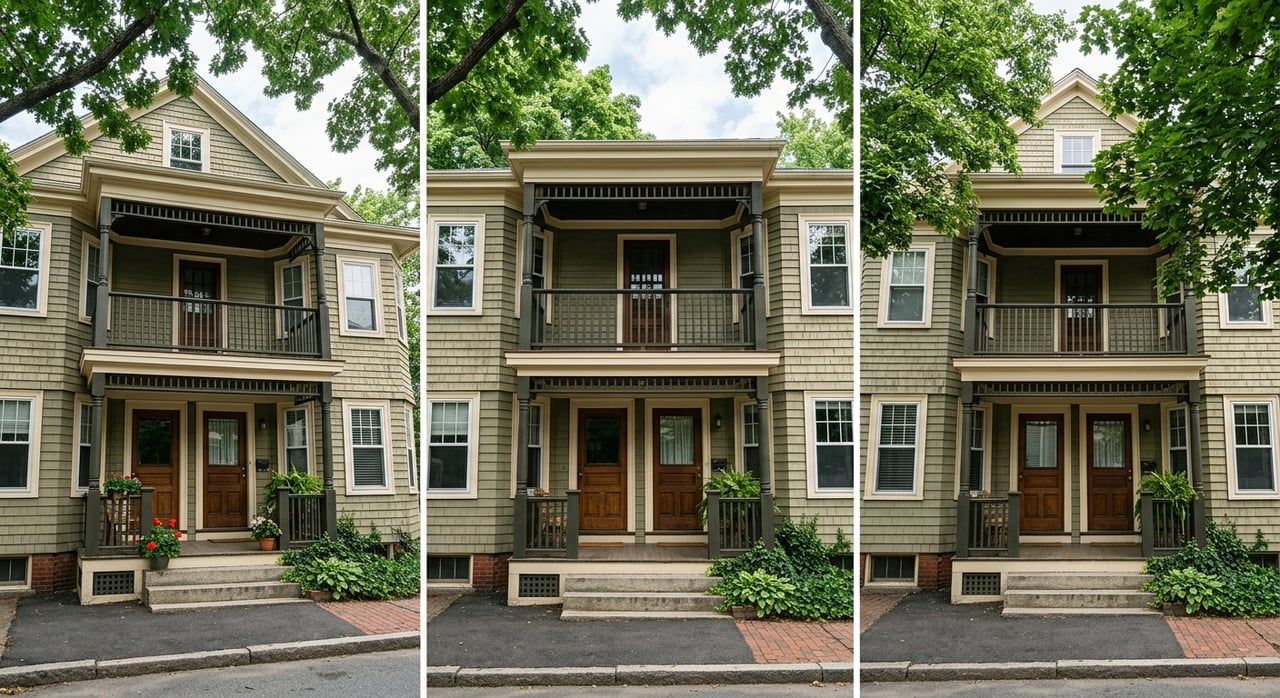
Think every older Jamaica Plain property has easy renovation upside? Not quite. In JP, the difference between a smart value-add opportunity and an expensive headache often comes down to one thing: whether the address, zoning, and permit path actually support your plan. If you are buying, selling, or evaluating a home with “potential,” this guide will help you spot where the real opportunities tend to be and where you need to slow down and verify the details. Let’s dive in.
Why renovation potential is so specific in Jamaica Plain
Jamaica Plain has the kind of housing stock that naturally gets buyers thinking about possibility. Boston Plans describes JP as a historic streetcar suburb that became part of Boston in 1874, and the neighborhood is still known for its triple-decker homes and older residential buildings. That creates plenty of chances for updates, better layouts, and more usable space.
But JP is not a neighborhood where you can assume every property can be expanded or reworked in the same way. The official zoning map includes one-family, two-family, three-family, and multifamily residential subdistricts, along with overlay districts. In plain English, renovation potential is highly address-specific.
That matters because the same idea that works on one block may not work a few streets over. A basement project, attic conversion, or unit reconfiguration might be straightforward at one property and much more complicated at another. If you want to spot real upside, start by looking at the property, not just the neighborhood hype.
What usually creates value in JP
In a neighborhood like Jamaica Plain, upside often comes from making older homes function better for the way people live now. Boston Plans notes that JP is transit-accessible, with 38% of working residents who do not work from home commuting by public transit. Better layouts, updated kitchens and baths, and legal added living space can all matter in a market where convenience and functionality count.
The area also has a long pattern of reinvestment. Boston Planning and Development Agency neighborhood profile data reported that more than half of JP housing units were renter-occupied, most condos were owner-occupied, and new units were both approved and built over the past decade. That mix points to a neighborhood with older stock, active ownership, and continued updating.
For buyers and small investors, the best opportunities often fall into a few categories:
- Finishing or improving existing basement space
- Converting attics into usable living area
- Reworking outdated interior layouts
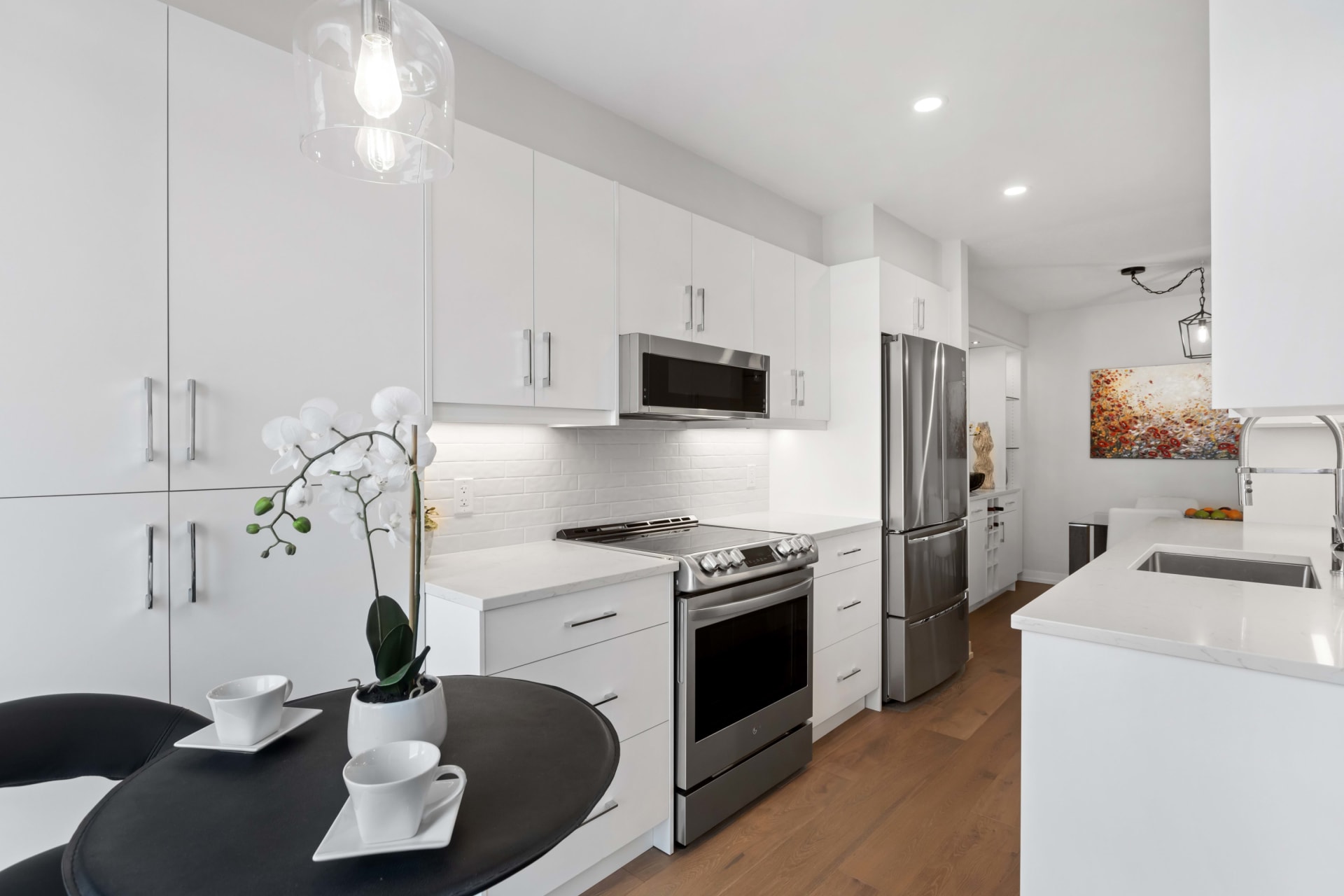
- Updating kitchens and baths
- Reconfiguring legal multi-family layouts where zoning supports it
The key is knowing which of these ideas improves the home within the existing rules, and which ones trigger a much more complex approval process.
Basement upside: useful space vs new unit
Basements are one of the first places people look for hidden value in Jamaica Plain. In many older homes, basement space is underused, unfinished, or poorly laid out. That makes it tempting to imagine a family room, office, guest area, or even a separate apartment.
Boston’s ADU guidance says an accessory dwelling unit may be built inside an existing home, including by converting an attic or basement. The city also says homeowners of one-, two-, and three-family homes may be able to build an ADU when they live on the same parcel, and current Planning Department guidance notes that owner-occupants can build an ADU using existing space without exterior alterations.
That said, there is a major difference between improving basement space and creating a new legal dwelling unit. Recent Jamaica Plain planning examples show exactly why this matters. One case involved extending existing living space into a basement without changing unit count, while another cited a basement dwelling unit as a forbidden use.
So when you hear “finished basement potential,” ask a very specific question: Are you adding better living space to an existing unit, or trying to create a separate unit? Those are not the same thing in zoning or permitting terms.
What to look for in a basement project
If you are evaluating a basement opportunity, focus on these basics first:
- Whether the project stays part of the existing unit
- Whether the plan changes the number of legal dwelling units
- Whether the work stays inside the current building envelope
- Whether zoning allows the intended use at that address
- Whether the scope will require long-form permits and trade permits
A basement can still offer real value even if it never becomes a separate apartment. In many cases, improved living space alone can make an older home more functional and more appealing.
Attic conversions can be attractive, but not automatic
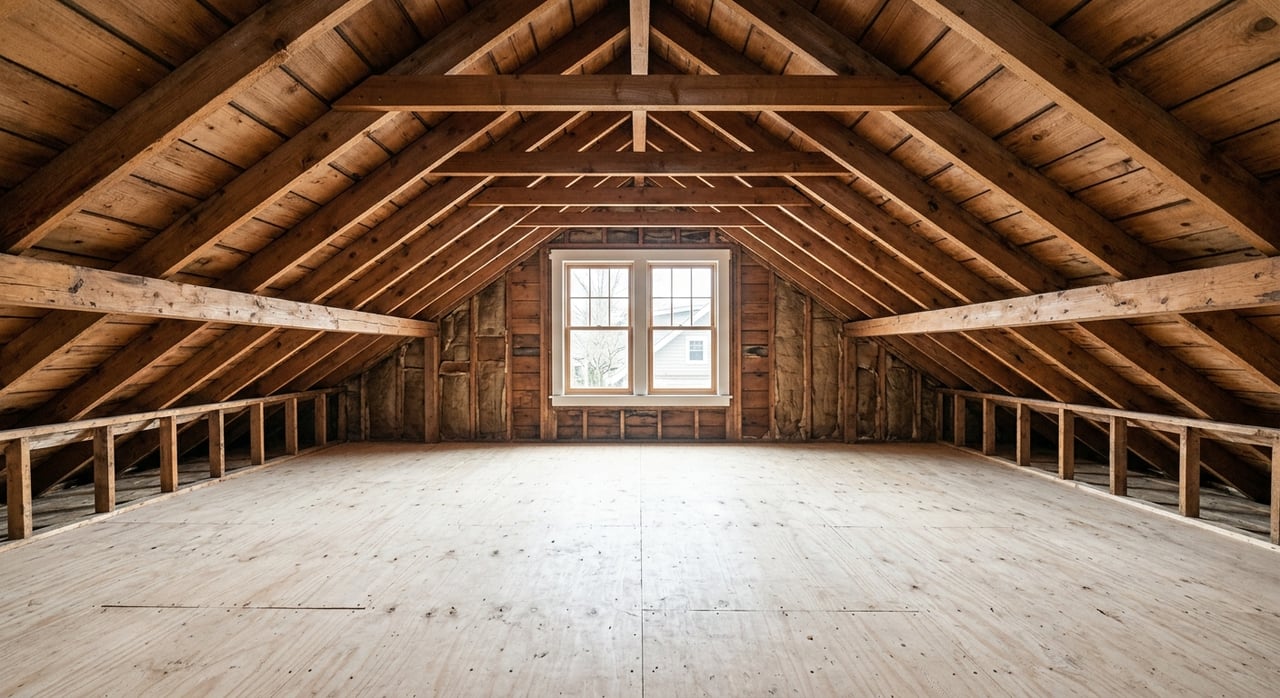
Attics are another common place to find upside in JP. If the house already has volume under the roof, converting that area into finished living space can feel like a smart way to gain square footage without expanding the footprint.
That is often true, but attic projects can get more complicated when the work changes the exterior. Jamaica Plain’s Neighborhood Design Overlay District exists to protect historic character and scale, and design review can be triggered by changes such as roof shape, cornice line, street wall height, building height, or certain exterior wall-area changes.
A recent JP case at 107 Chestnut Avenue shows how quickly an attic idea can move beyond a simple cosmetic update. That proposal involved raising an existing dormer and finishing the attic into living space, and the planning memo noted issues involving floor area ratio, front yard requirements, and NDOD applicability.
If your attic plan fits within the existing envelope, the path may be cleaner. Once the roofline changes, dormers grow, or exterior massing shifts, the project can become much more approval-dependent.
Signs an attic project may be more complex
Watch for these red flags early:
- The project changes the roof shape or dormer size
- The home is subject to an overlay review
- The finished area may affect dimensional limits
- The work depends on exterior alterations, not just interior finish
Those details do not mean the project is impossible. They just mean the upside needs to be priced with more caution.
Interior layout changes can create real value
Not every strong renovation play involves adding square footage. In Jamaica Plain, some of the best value comes from making an older layout work better. That can mean opening up a cramped kitchen, improving flow between rooms, adding a bathroom, or reworking awkward circulation.
Boston’s permit guidance makes an important distinction here. Bathroom or kitchen work with no structural change may fit under a short-form permit, while moving structural walls or egresses requires a long-form permit. Plumbing, electrical, and sheet metal work also require separate trade permits by licensed contractors.
That is why interior projects often deserve a closer look than buyers give them. If you can create a more functional home without changing use, moving major structural elements, or triggering exterior review, the renovation path may be more predictable than a flashy expansion plan.
Multi-family upside has promise and risk
For small investors and buyers looking at classic JP multi-family stock, the biggest upside often seems to come from adding units or reconfiguring existing ones. Sometimes that works. Sometimes it runs into exactly the limits you need to know before you make an offer.
Recent Jamaica Plain planning memos show the range. One property at 44 Creighton Street involved a proposal to convert from one unit to three units. Another at 31 Gay Head Street involved a three-unit to four-unit proposal that cited forbidden-use issues, including a basement unit.
These examples show why multi-family value-add potential should never be judged by layout alone. Lot area, frontage, usable open space, floor area ratio, and use restrictions can all shape what is realistic. The bigger the change in unit count, the more important it is to verify the legal path before you underwrite the deal.
Start with zoning before you price the upside
This is where many buyers get into trouble. They walk a property, see extra space, and assign value to a future project before confirming whether the project is allowed.
Boston’s zoning guidance says the zoning viewer can help identify the district, subdistrict, overlay districts, and relevant land-use table for a specific property. It also explains that uses may be allowed, conditional, or forbidden. If a plan exceeds dimensional limits or allowed use, zoning relief from the Zoning Board of Appeal may be required, and that can add several months.
For a buyer, that timeline matters. For a seller, it matters too, because “expansion potential” is only as strong as the underlying facts. In JP, the real upside is usually where the building, zoning, and permit path already line up.
Understand the permit path early
Once you have confirmed the zoning basics, the next question is permitting. Boston separates minor work from major alterations in a way that can have a real impact on budget, timing, and professional fees.
Long-form permits are used for major alterations or renovations that change structure or use. Short-form permits are for minor alterations that do not change structure or use. Boston also notes that long-form applications require stamped plans from a Massachusetts-registered architect or engineer and a certified plot plan, and some projects may need fire protection documents or ZBA-related paperwork.
That is one reason cosmetic upside and structural upside should not be valued the same way. A cleaner permit path often means a more realistic project. A more complicated permit path can still work, but you should build in more time, soft costs, and uncertainty.
Do not forget building code and occupancy records
Even if zoning looks favorable, the work still needs to satisfy the Massachusetts building code. The current state building code is the 10th edition of 780 CMR, which is especially relevant for attic and basement projects.
Boston’s long-form permit guidance also notes that some properties may not have a Record of Occupancy on file. If that issue needs to be resolved, it can delay permit issuance. That is not always obvious when you first tour a property, but it can affect your timeline and budget in a meaningful way.
A smart pre-offer checklist for JP buyers
If you are serious about buying a renovation opportunity in Jamaica Plain, a little diligence up front can save you from expensive surprises later. Before you build your numbers around “potential,” make sure you can answer these questions.
Pre-offer renovation checklist
- What is the exact zoning subdistrict for this address?
- Are there any overlay districts that affect design or review?
- Is the intended use allowed, conditional, or forbidden?
- Does the project stay within the existing building envelope?
- Will the work change unit count, structure, or egress?
- Will it require short-form permits, long-form permits, or trade permits?
- Is there a Record of Occupancy on file?
- If the plan needs relief or review, how does that change timeline and budget?
This is the kind of due diligence that helps you separate a genuinely promising property from one that only looks good on a showing sheet.
How to think about real upside
In Jamaica Plain, the strongest renovation opportunities are usually not the most dramatic ones. They are the properties where the existing structure supports better use, the zoning aligns with the plan, and the permit path is reasonably clear before you write the offer.
That might mean a smarter layout instead of an addition. It might mean finishing an attic without changing the roofline. It might mean improving basement space as part of the main unit instead of counting on a new apartment. In this neighborhood, realistic upside usually beats speculative upside.
If you want help evaluating a JP property with renovation potential, working with someone who understands both the housing stock and the approval landscape can make a real difference. If you are weighing a purchase, preparing a value-add sale, or trying to price true potential without overreaching, Juan Murray can help you look at the opportunity with clear eyes and a local, renovation-informed strategy.
FAQs
What does renovation potential mean in Jamaica Plain real estate?
- In Jamaica Plain, renovation potential usually means the possibility to improve layout, finish existing space, update kitchens or baths, or legally add usable area, but the real opportunity depends on the specific address, zoning subdistrict, overlays, and permit path.
Can you turn a Jamaica Plain basement into a legal apartment?
- Sometimes, but not automatically. Boston guidance allows certain ADUs within existing homes in some cases, yet recent JP examples show that a basement dwelling unit can also be a forbidden use, so you need address-level zoning and permit review before assuming that path is legal.
Are attic conversions allowed in Jamaica Plain homes?
- Attic conversions may be possible, especially when the work stays inside the existing building envelope, but projects that change roof shape, dormers, or exterior massing can trigger additional review under Jamaica Plain’s Neighborhood Design Overlay District.
What permits are common for Jamaica Plain renovation projects?
- Minor work that does not change structure or use may qualify for a short-form permit, while projects that change structure or use generally require a long-form permit, with trade permits also needed for plumbing, electrical, or sheet metal work.
Why should buyers check zoning before offering on a JP fixer-upper?
- Buyers should check zoning early because a project may be allowed, conditional, or forbidden at that specific address, and any need for zoning relief can add months, redesign costs, and more uncertainty to the renovation plan.