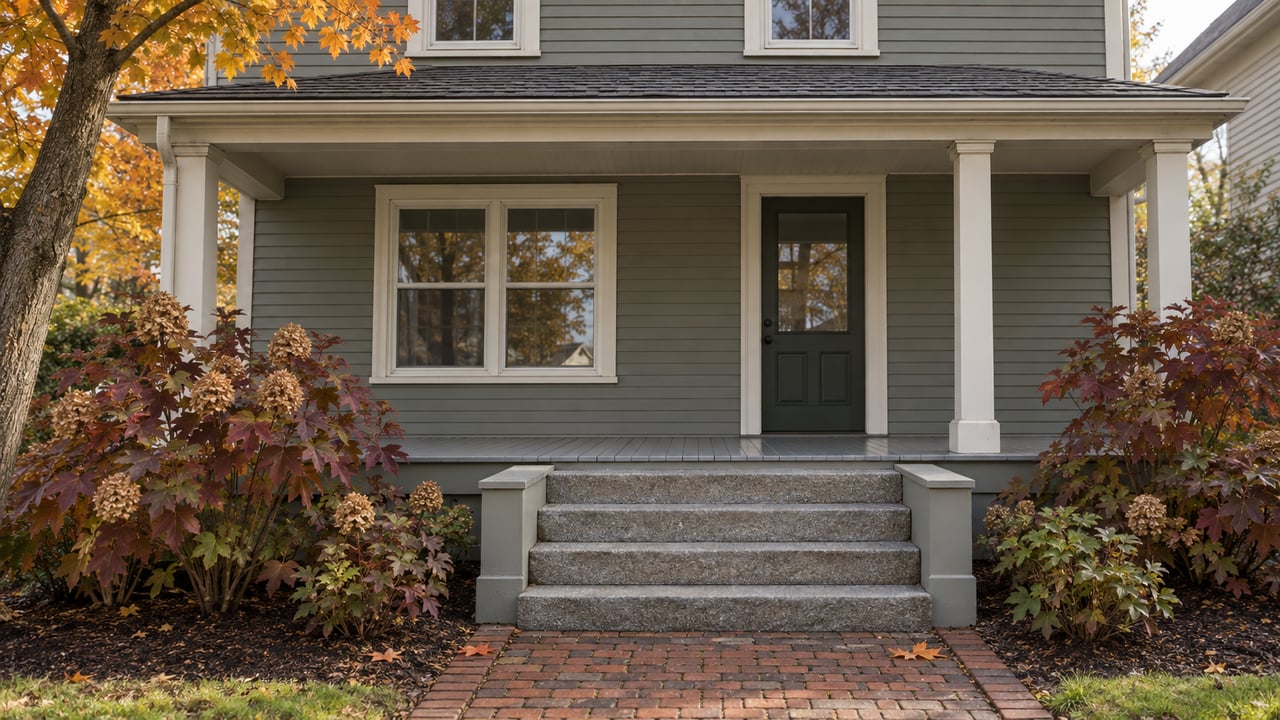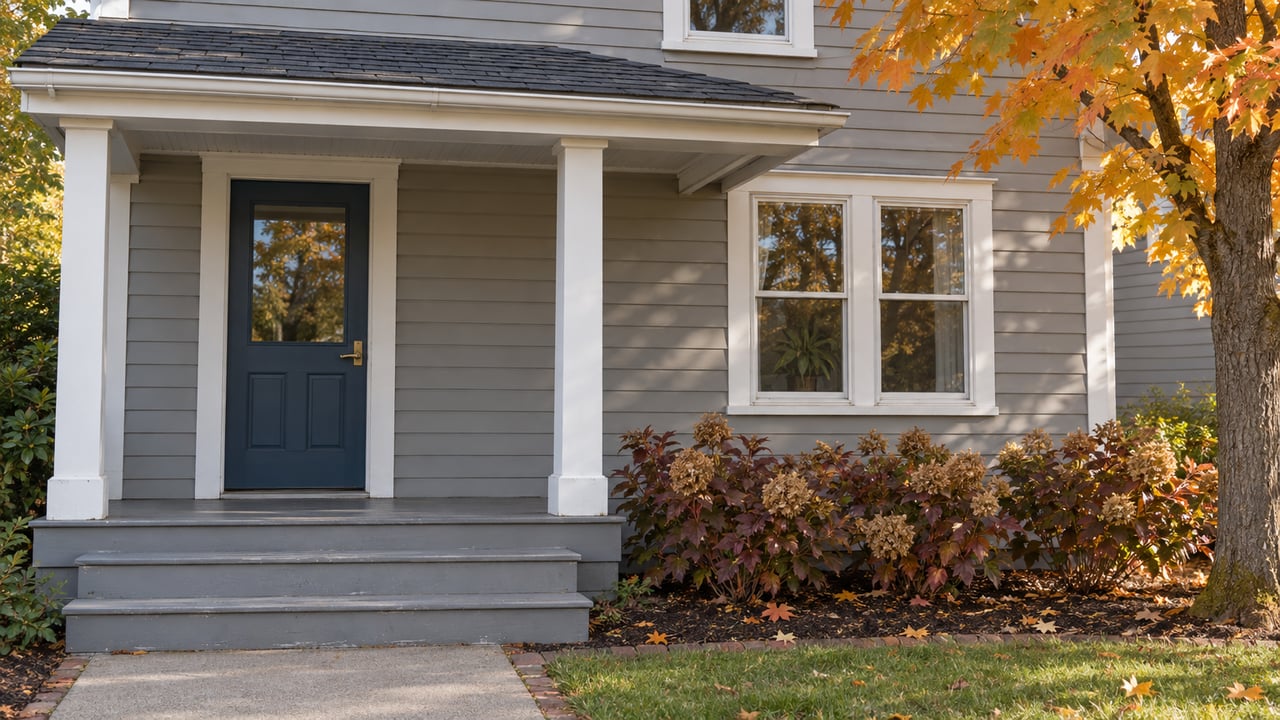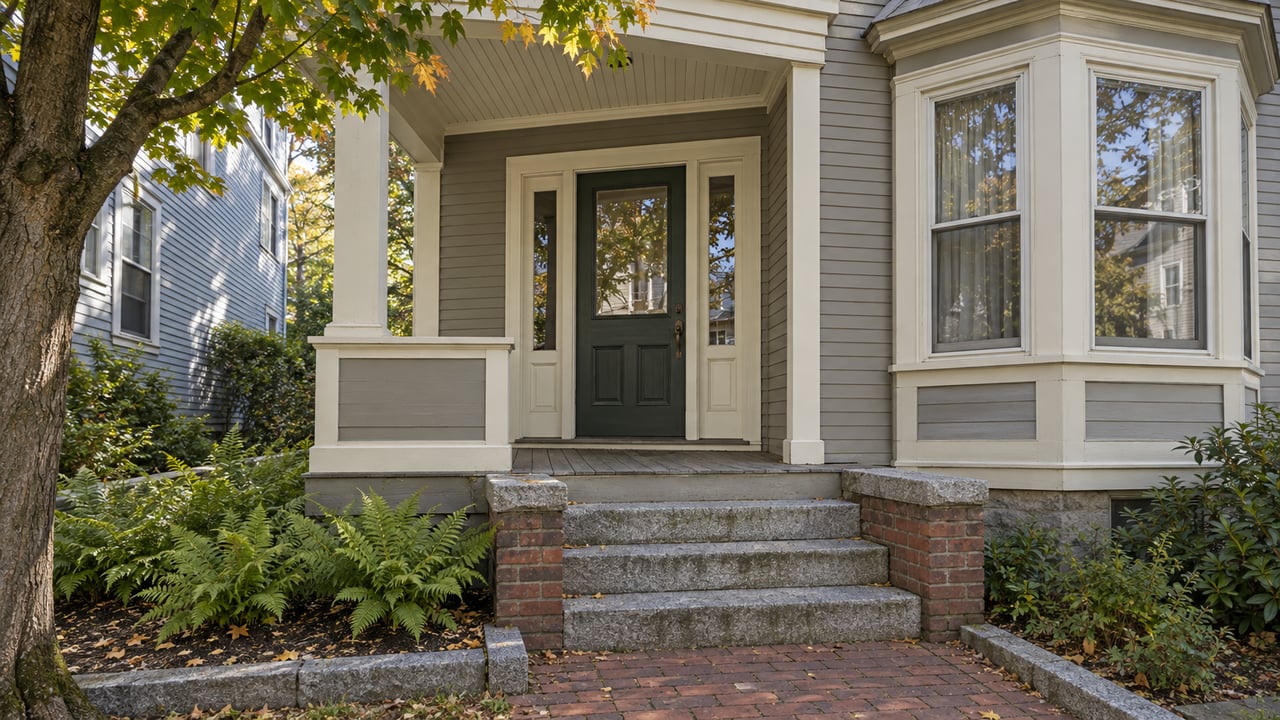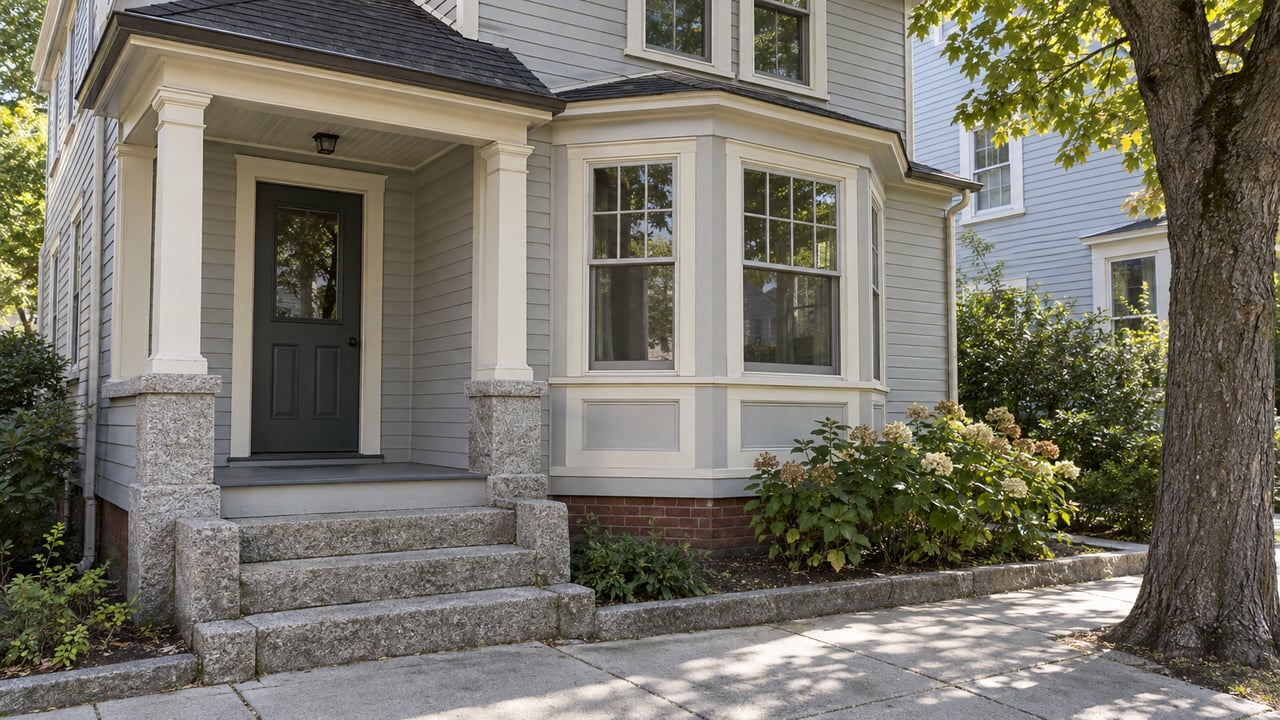
If you have been eyeing a Jamaica Plain two-family or triple-decker, you are not alone. JP is one of those Boston neighborhoods where small multi-family investing makes intuitive sense, but the numbers, zoning, and old-house realities can get complicated fast. This guide will help you understand where the opportunity is, what risks to watch, and how to think about a smart buy in Jamaica Plain. Let’s dive in.
Why Jamaica Plain Fits Small Multi-Family Investing
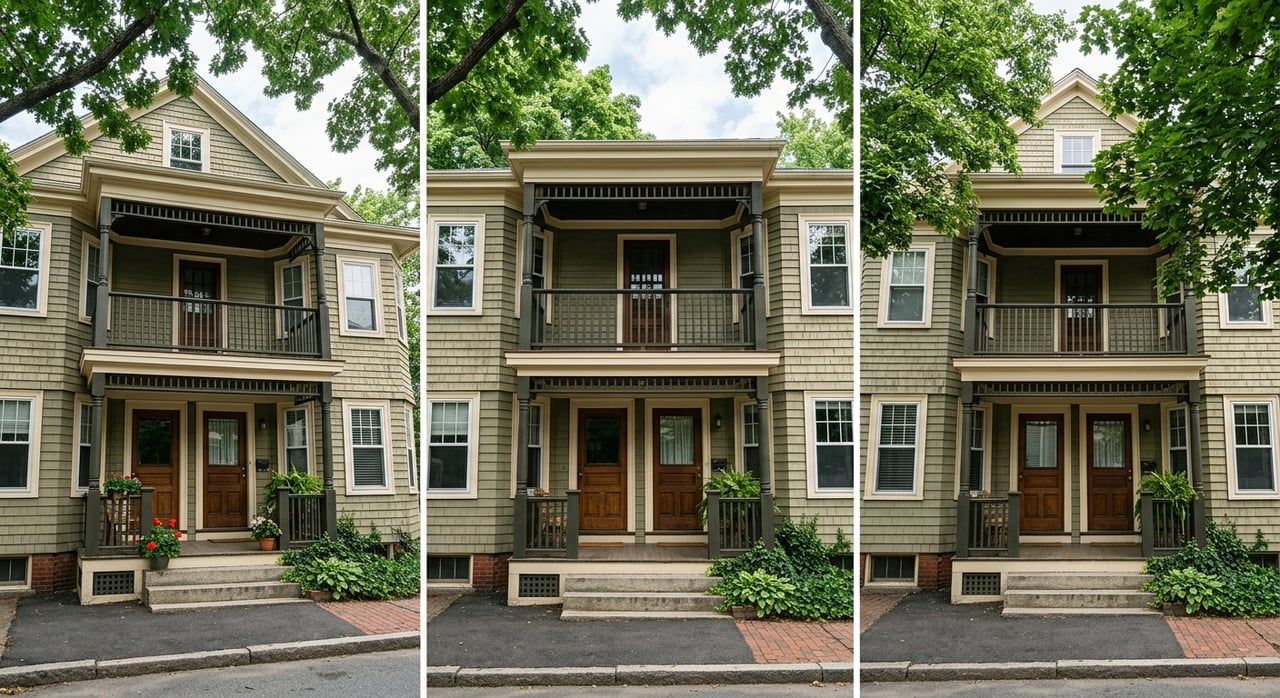
Jamaica Plain has a built form that naturally supports small multi-family ownership. Boston Plans describes JP as a classic streetcar-suburb neighborhood with a strong triple-decker fabric, active retail corridors, and solid transit access through the Southwest Corridor, MBTA rail and buses, and Forest Hills Station.
That matters because neighborhood layout and housing stock shape investment strategy. In JP, two-family and three-family homes are not a niche product. They are a core part of the local housing pattern, which makes owner-occupied investing, long-term holds, and house hacking especially relevant here.
Boston zoning in Article 55 is also structured around one-, two-, and three-family residential subdistricts. Its stated purpose includes preserving lower-density housing types, allowing low- and medium-density multifamily housing that fits the existing environment, and preventing overdevelopment. In plain English, JP has a framework that recognizes and regulates this housing type instead of treating it like an exception.
What the Local Housing Stock Tells You
Historic city survey data shows just how common these properties are in Jamaica Plain. JP had 1,002 two-family properties and 1,186 three-family properties, within 3,743 total one- to three-family properties.
The owner-occupancy numbers are useful too. Two-family properties were 68.1% owner-occupied, while three-family properties were 43.2% owner-occupied. That is a helpful clue for buyers thinking about house hacking, since it shows two-families especially have long been a meaningful owner-occupant product in the neighborhood.
Current Boston Plans profile data adds another layer. Jamaica Plain has 19,555 housing units, and 56.9% are renter-occupied. That is still a strong rental base, but it is lower than Boston overall at 64.4%, which suggests JP combines real rental demand with a somewhat stronger owner-occupant presence than the city as a whole.
How to Think About JP as an Investment
In Jamaica Plain, the story is usually not simple cash flow first. It is more often about stable demand, owner-occupant usability, and long-term equity growth.
That framing comes from the local mix of rent levels, listing prices, taxes, and zoning realities. If you are looking for the highest immediate yield, JP may not be the easiest fit. If you want a transit-rich Boston neighborhood where a small multi-family can work as both a place to live and a long-term asset, JP starts to look more compelling.
This is especially true for buyers who want flexibility. A two-family or three-family can let you live in one unit, offset costs with rent, and hold a property that fits well with the neighborhood’s existing building pattern.
Jamaica Plain Prices and Rent Signals
Realtor.com’s May 2026 neighborhood summary shows a median listing price of $847,000 in Jamaica Plain. It also reports a median rent of $3,500 per month, 393 rental properties, 89 homes for sale, median days on market of 18, and a 100% sale-to-list ratio.
Those numbers point to a market with real activity and fairly tight timing. Eighteen median days on market is not a long runway, and a 100% sale-to-list ratio suggests pricing discipline and competition remain important.
If you use the reported median rent and median listing price as a rough gut check, you get about a 5% gross annual rent before taxes, insurance, maintenance, vacancy, and reserves. That is not full underwriting, and it should not be treated like one. Still, it is a quick way to understand why many JP buyers focus on appreciation, location quality, and owner-occupant benefit as much as pure monthly cash flow.
Why House Hacking Can Work Well Here
House hacking often makes the most sense when a neighborhood supports both rental demand and owner occupancy. Jamaica Plain checks both boxes.
The local building stock gives you options. Two-families can be especially appealing if you want a lower-management setup and a property type with a stronger owner-occupant pattern. Three-families can offer more income potential, but they may come with more operational complexity and a different ownership mix.
Your carrying cost can also change meaningfully if you live in the property. Boston’s FY26 residential property tax rate is $12.40 per $1,000 of assessed value, and the city’s residential exemption saved qualified owner-occupants up to $4,353.74 on the FY26 tax bill. If one unit is your principal residence, that exemption can make a real difference in the monthly math.
Carrying Costs Matter More Than Buyers Expect
Many first-time small investors spend a lot of time on rent projections and not enough time on ongoing costs. In JP, that can create surprises.
Property taxes are one major line item. Boston also taxes under Proposition 2½, which limits annual levy growth, but your actual tax bill still depends on assessed value and whether you qualify for the residential exemption.
You also need to budget for the realities of older housing. Insurance, maintenance, reserves, and vacancy planning should all be part of your underwriting. A triple-decker with solid fundamentals can still become a stressful investment if you only run the optimistic version of the numbers.
Light Rehab in JP: Look Past Cosmetics
In Jamaica Plain, a light-rehab deal is often not just about paint, kitchens, and floors. The bigger issue can be bringing an older building into better compliance.
Massachusetts says homes built before 1978 may contain lead. Sellers, landlords, and agents must notify buyers and tenants of lead risks, and if a child under 6 lives in the home, the law requires lead hazards to be removed or controlled.
Boston also says landlords must comply with the Massachusetts Sanitary Code and the Boston housing code. So if you are evaluating a “light fixer,” it is smart to think beyond finishes. The real question is whether you are taking on a straightforward refresh or a property with deeper compliance work hiding behind an old kitchen.
Heavy Rehab: Zoning Is the Big Risk
If your plan involves an addition, expansion, or major reconfiguration, zoning becomes a much bigger part of the deal. In Boston, owners are told to check their parcel in the zoning viewer because special regulations may apply.
If a proposed project is nonconforming, a permit can be refused and the owner may need relief from the Zoning Board of Appeal. That process can take several months, which can affect your timeline, carrying costs, and renovation budget.
In Jamaica Plain’s Neighborhood Design Overlay Districts, design review can also be triggered by changes in roof shape, cornice line, street wall height, building height, or building massing. For an investor, that means heavy rehab should never be underwritten like a simple cosmetic update.
Operating a Rental in Boston
Once you own a rental property, city rules matter. Boston requires rental properties to be registered with the city each year.
Boston’s rental guide also limits what landlords may collect upfront at lease start. The allowed upfront payments are the first month’s rent, last month’s rent, a security deposit of no more than one month’s rent, and a lock fee.
If you are planning around future rent increases, month-to-month tenancies have rules too. Boston says rent can be increased with proper 30-day written notice. These are the kinds of operating details that can affect both your systems and your cash-flow expectations.
A Practical Way to Evaluate Deals
When you look at a small multi-family in Jamaica Plain, try to score it in four buckets instead of focusing on one shiny feature. That will help you stay grounded when inventory is tight.
1. Building type and layout
Ask whether the property works as a two-family or three-family investment for your goals. Think about owner-occupant fit, unit layout, utility setup, and how easy the property will be to manage over time.
2. Carrying-cost reality
Estimate taxes, insurance, maintenance, reserves, and vacancy before you get excited about projected rent. If you plan to owner-occupy, factor in the possible residential exemption and see how much it improves the monthly picture.
3. Rehab scope
Separate true cosmetic work from compliance-related work. Lead risk, code issues, and deferred maintenance can change the investment quickly, especially in older buildings.
4. Zoning and timeline risk
If your upside depends on major changes, confirm zoning early. A project that needs special relief or design review may still be worth doing, but it should be priced and timed accordingly.
Where JP Fits in a Bigger Strategy
For many buyers, Jamaica Plain works best as an appreciation-oriented, transit-connected piece of a broader portfolio. It may not be the market where you chase the highest cap rate on paper.
Instead, it can be the place where you buy a well-located small multi-family with durable demand, live in it for a period if that fits your plan, improve it thoughtfully, and build equity over time. That approach tends to match the local housing stock and current market signals better than a purely yield-driven strategy.
If you are comparing neighborhoods, that is an important distinction. A good JP deal is often about quality of location, realistic renovation planning, and disciplined underwriting, not fantasy cash flow.
Why Local Guidance Helps in JP
Jamaica Plain rewards buyers who can read both the market and the building. A property can look straightforward online but have very different upside once you account for taxes, layout, lead compliance, or zoning constraints.
That is where renovation-aware guidance can be especially valuable. When you understand not just price and rent, but also what it takes to improve or operate the property realistically, you make better decisions and avoid expensive surprises.
If you are exploring a two-family, triple-decker, or value-add opportunity in JP, a grounded local strategy matters. The goal is not just to win a property. It is to buy the right one for your budget, timeline, and long-term plan.
If you want help evaluating a small multi-family opportunity in Jamaica Plain, planning a house-hack purchase, or understanding the tradeoffs between light rehab and heavier value-add plays, connect with Juan Murray for a thoughtful, local conversation.
FAQs
What makes Jamaica Plain a good fit for small multi-family investing?
- Jamaica Plain has a large base of two-family and three-family homes, strong transit access, active rental demand, and zoning built around one-, two-, and three-family residential subdistricts.
How common are two-family and three-family properties in Jamaica Plain?
- Historic city survey data shows Jamaica Plain had 1,002 two-family properties and 1,186 three-family properties, within 3,743 total one- to three-family properties.
Is Jamaica Plain better for cash flow or long-term growth?
- Based on current local price, rent, tax, and zoning signals, Jamaica Plain is often better framed as a stable-demand, owner-occupant-friendly, long-term equity play rather than a pure cash-flow market.
How does owner occupancy affect Jamaica Plain multi-family carrying costs?
- If you live in the property as your principal residence and qualify, Boston’s residential exemption can reduce your FY26 tax bill by up to $4,353.74.
What should buyers watch for in older Jamaica Plain multi-family homes?
- Key issues include possible lead hazards in homes built before 1978, compliance with the Massachusetts Sanitary Code and Boston housing code, deferred maintenance, and zoning constraints for larger renovations.
What Boston rental rules matter for Jamaica Plain landlords?
- Boston requires annual rental property registration, limits lease-start upfront charges to specific items, and allows month-to-month rent increases with proper 30-day written notice.